
Upgrade everyday choices with gentle substitutions that fit your life — no elimination lists, no food guilt.
When you label a food forbidden, it often becomes the only thing you think about. Soft corrections take a different route. You keep the structure of your meals — toast at breakfast, pasta at dinner, a sweet treat after lunch — and change one ingredient at a time. The psychological load is lower because nothing is taken away permanently. A 2022 systematic review in the British Journal of Nutrition found that incremental dietary improvements sustained over six months produced comparable nutrient gains to short intensive interventions, with significantly better long-term adherence. That matches what we see in everyday learning: the person who switches to brown rice at two dinners a week is more likely to still be doing it a year later than the person who eliminated all carbohydrates for a month. Start with the swaps that feel easiest. If you drink three coffees daily with two sugars each, dropping to one sugar for a fortnight is a meaningful change. Celebrate that before tackling the next step. Progress is a staircase, not a cliff.
| Instead of | Try | Why it helps |
|---|---|---|
| White bread | Wholegrain or seeded loaf | More fibre, steadier energy |
| Flavoured yoghurt | Plain + fresh fruit | Less added sugar, more protein |
| Soft drink | Sparkling water + citrus | Hydration without sugar spike |
| Potato chips | Roasted chickpeas | Crunch with protein and fibre |
| Creamy pasta sauce | Tomato base + herbs | Lighter, vegetable-forward |
| Butter on toast | Avocado mash | Heart-friendly fats, creamy texture |
| Muesli bars | Handful of nuts + apple | No hidden syrups or binders |
| Fried eggs | Poached or boiled | Same protein, less added oil |
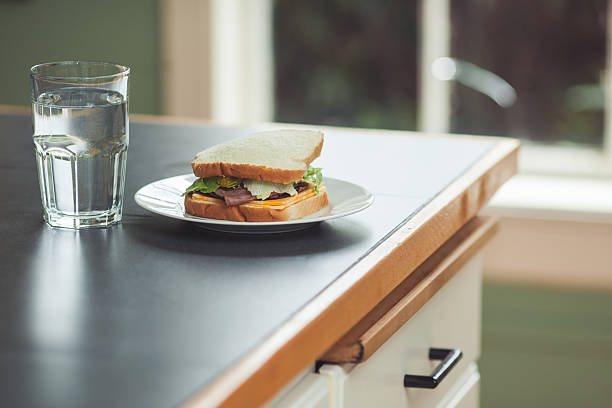
Change one item per week, not seven. Tell your household what you are trying and why — transparency reduces friction. If someone prefers white pasta, cook both versions side by side rather than forcing a sudden switch. Taste buds adapt gradually; research suggests repeated exposure to a new food ten to fifteen times often shifts preference, especially in mixed dishes where the swap is less obvious. Blend half brown and half white rice for a month before going fully wholegrain. Mix plain and flavoured yoghurt until the sweetness of the flavoured version starts to taste excessive. Keep favourite foods in the rotation alongside swaps — a flexible plate might include wholegrain toast on weekdays and a white bread roll at the weekend market. The swap is a tool, not a verdict on your character. When a swap does not work — perhaps the wholegrain crackers taste like cardboard to you — try a different brand or a different category entirely. Nutrition is personal. The goal is finding options you genuinely enjoy enough to repeat.
Five live substitutions using Canterbury farmers market produce. Free tasting samples included.
Guided session on understanding nutrition panels without obsession. 11:00 a.m. at our Mairehau space.
Bring one item you want to swap; leave with three practical alternatives to try at home.
No. One swap per week is plenty. Lasting change comes from repetition, not speed. Choose the swap that feels easiest and build from there.
Not necessarily. Some low-fat products add sugar to compensate for flavour. Compare labels and prioritise whole, minimally processed options over marketing claims.
Introduce changes gradually and involve others in choosing alternatives. Cooking both versions side by side often eases the transition without conflict at the dinner table.